Platforms and Fulfilment
Platforms and Fulfilment
Marketplaces, your own store, warehousing and the last mile: where orders are won, packed and delivered, and what each choice costs.
The two places an order can be won
An online order is almost always won in one of two places. It is either won inside a marketplace, where the shopper was already browsing, or it is won in the shop's own store, where the shopper arrived by search, by recommendation or by advertising. The two routes reward completely different work. A marketplace rewards price, stock availability and a good rating; an own store rewards a clear product page, a reason to trust the shop and a brand the shopper remembers.
Most successful shops use both, but they do not treat them as equal. One is usually the main channel and the other a source of extra volume. Deciding which is which, and being honest about it, is the subject of marketplace or your own store.
What the marketplace gives and takes
A marketplace gives reach and trust that a new shop cannot buy quickly. The shopper already has an account, a saved card and a habit of buying there, so the barrier to a first order is low. In exchange the marketplace takes a commission, sets the rules, controls the customer relationship and owns the data. A shop that sells only through a marketplace is, in effect, renting its customers.
That is not automatically a bad deal. For a small producer, the volume and the simplicity can be worth the fee, especially at the start. The danger is drift: a shop that never builds its own channel becomes dependent on rules it cannot influence. The comparison in marketplace or your own store sets out how to judge the balance.
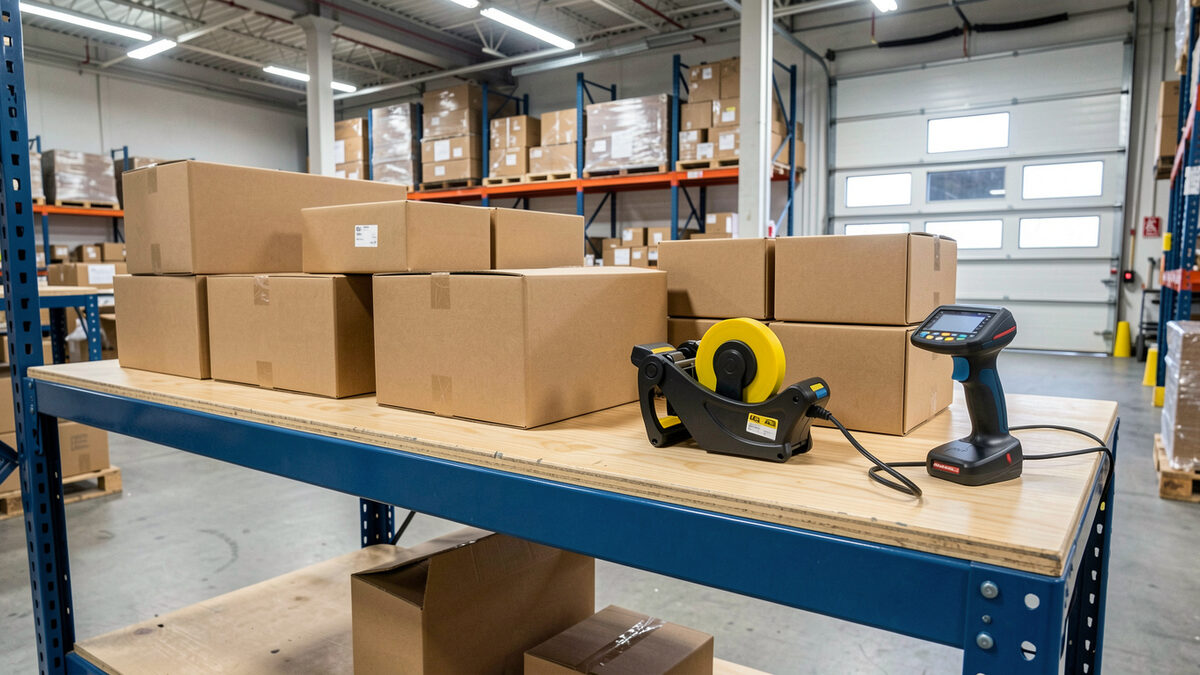
The packing bench is where promises are kept
Between the order and the door sits a room that customers never see. On the packing bench, an order becomes a parcel: the right item, the right paperwork, the right protection and the right label. Mistakes here are expensive because they are discovered late, after the customer has waited, which is why stock accuracy and packing accuracy belong to the same discipline.
The pressures that built up during the pandemic did not disappear from this room. Carriers still have peaks, and a shop that plans for an average week is caught out by a good one. The simplest defence is to separate the work into a repeatable sequence and to check it at the point where an error is cheapest to catch, which is before the label goes on.
Carriers and the last mile
The last mile, the final stage that reaches the customer, is the most expensive part of a delivery and the part a shop controls least. It is run by carriers with their own networks, their own schedules and their own problems. A shop can choose its carriers and set its promises, but it cannot make a van arrive. That asymmetry is why honest delivery terms matter more than fast ones.
The economics and the expectations of that stage are covered in last-mile delivery expectations. For this introduction the important point is that the last mile is where the shop's reputation is settled, and it is settled by a third party.
Returns close the loop
A return is not a failure of the sale but part of it. A customer who sends something back and is refunded quickly often buys again, because the shop has proved it can be trusted when things go wrong. A customer who is made to work for a refund rarely does. The process therefore deserves to be designed as carefully as the delivery, with a clear window, a simple method and a predictable refund time.
Returns also feed back into the business in a useful way. A high return rate on one product usually means the description, the photography or the sizing guide is misleading, not that the customers are difficult. Reading returns as feedback rather than as loss is one of the habits that separates a shop that improves from one that simply absorbs the cost.
What this section covers
Two articles sit under this introduction. One compares selling through a marketplace with running an own store, on reach, margin, rules and data. The other deals with the last mile and the rising expectations that surround it, including how a small shop can set delivery terms it can actually keep.
Readers who want the wider picture of trade logistics, including how goods move across borders and what governs it, can consult the work of UNCTAD on transport and trade logistics. This magazine stays with the shop's own decisions. Start with the channel question, because it determines the margin, and then fix the delivery promise, because it determines whether the customer returns.
A short checklist for the back of the shop
Three questions are worth asking every month. Which channel produced the orders, and at what true cost after fees? Where did parcels go wrong, and was the cause stock, packing or a carrier? And how long did a refund take, measured from the day the customer asked rather than the day the shop replied?
Those three answers describe the whole of the fulfilment operation in a paragraph. A shop that watches them can improve without a consultant, and a shop that ignores them will discover the same problems through complaints instead.
Platforms and Fulfilment
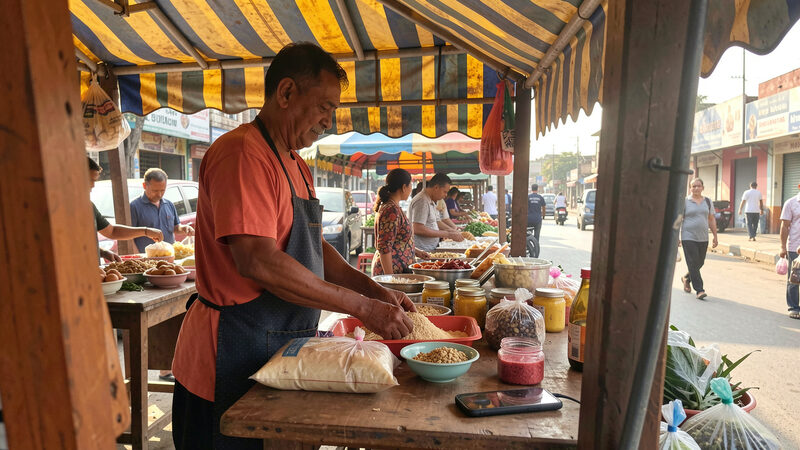
Marketplace or Your Own Store
Reach against margin, rules against freedom: a practical comparison of selling on a marketplace and running your own online store.
Reach against margin, rules against data.
Platforms and Fulfilment
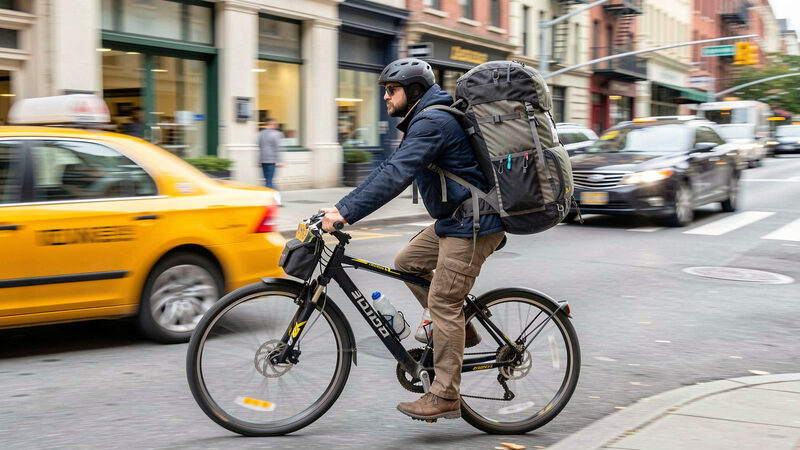
Last-Mile Delivery Expectations
Two-day delivery became normal and free returns became a promise. What the last mile costs, and how smaller shops can set honest terms.
Honest terms beat fast ones.